
Safety Insights & Guidance
Learn from an experienced safety professional. We're committed to sharing practical, actionable guidance that helps your business improve workplace safety—whether you're just beginning your safety journey or refining an established program.
Our resources are designed to empower your team with knowledge and confidence. From hazard identification to OSHA compliance basics, explore the information that matters most to your operation.
Knowledge Sharing
Educational resources from a dedicated safety professional
Practical Guidance
Real-world insights you can apply immediately to your workplace
Expert Authority
Guidance grounded in professional expertise and industry best practices
Common Workplace Hazards
Understanding the hazards present in your workplace is the first step toward creating a safer environment. Learn to identify and address the five major hazard categories that affect most businesses.
Physical Hazards
Hazards related to machinery, equipment, and environmental factors that can cause injury through contact or exposure.
- • Unguarded machinery and moving parts
- • Electrical hazards and exposed wiring
- • Slip, trip, and fall hazards
- • Noise and vibration exposure
Chemical & Biological Hazards
Exposure to hazardous substances, toxic fumes, or biological agents that can cause acute or chronic health effects.
- • Toxic chemical exposure and improper handling
- • Inadequate ventilation and fume control
- • Biological agents (bloodborne pathogens, mold)
- • Improper storage and labeling of hazardous materials
Ergonomic Risk Factors
Workplace conditions that strain the body and lead to cumulative trauma injuries and musculoskeletal disorders.
- • Repetitive motions and strain injuries
- • Poor workstation design and posture
- • Heavy lifting and manual handling without proper technique
- • Lack of breaks and recovery time
Procedural & Behavioral Hazards
Safety risks created by inadequate procedures, lack of training, or unsafe work behaviors that can be prevented through coaching.
- • Failure to follow safety protocols and procedures
- • Inadequate safety training and awareness
- • Improper use or missing personal protective equipment
- • Lack of hazard communication and documentation
Signs You Need Professional Assessment
- • Recent workplace injuries or near-misses
- • Employee complaints about safety concerns
- • High workers' compensation claims or insurance costs
- • Upcoming OSHA inspection or audit
- • New equipment, processes, or facility expansion
- • Uncertainty about compliance with regulations
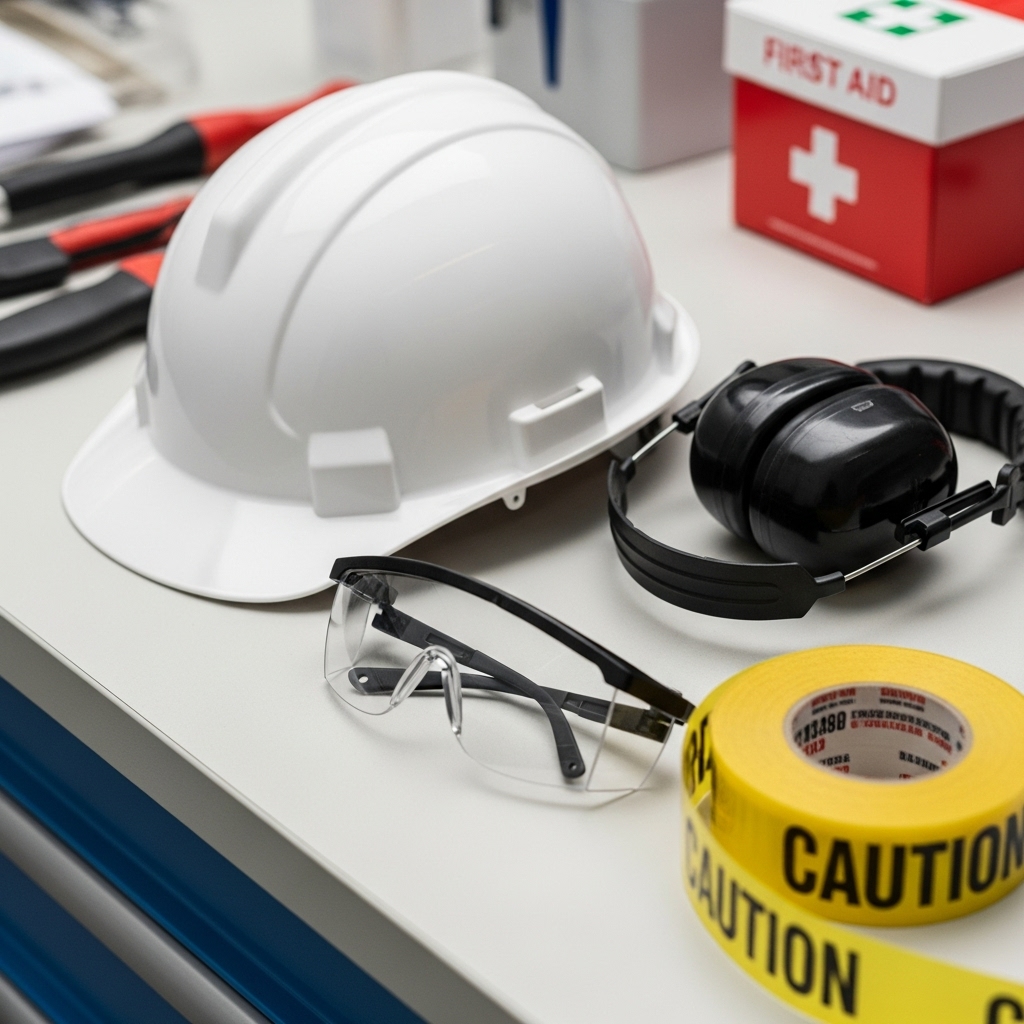
Uncertain About Hazards in Your Workplace?
A professional hazard assessment identifies risks you might miss and provides actionable recommendations specific to your operation. Contact us for a free consultation to discuss your workplace safety concerns.
OSHA Compliance Basics
Understanding your obligations and staying ahead of common compliance issues
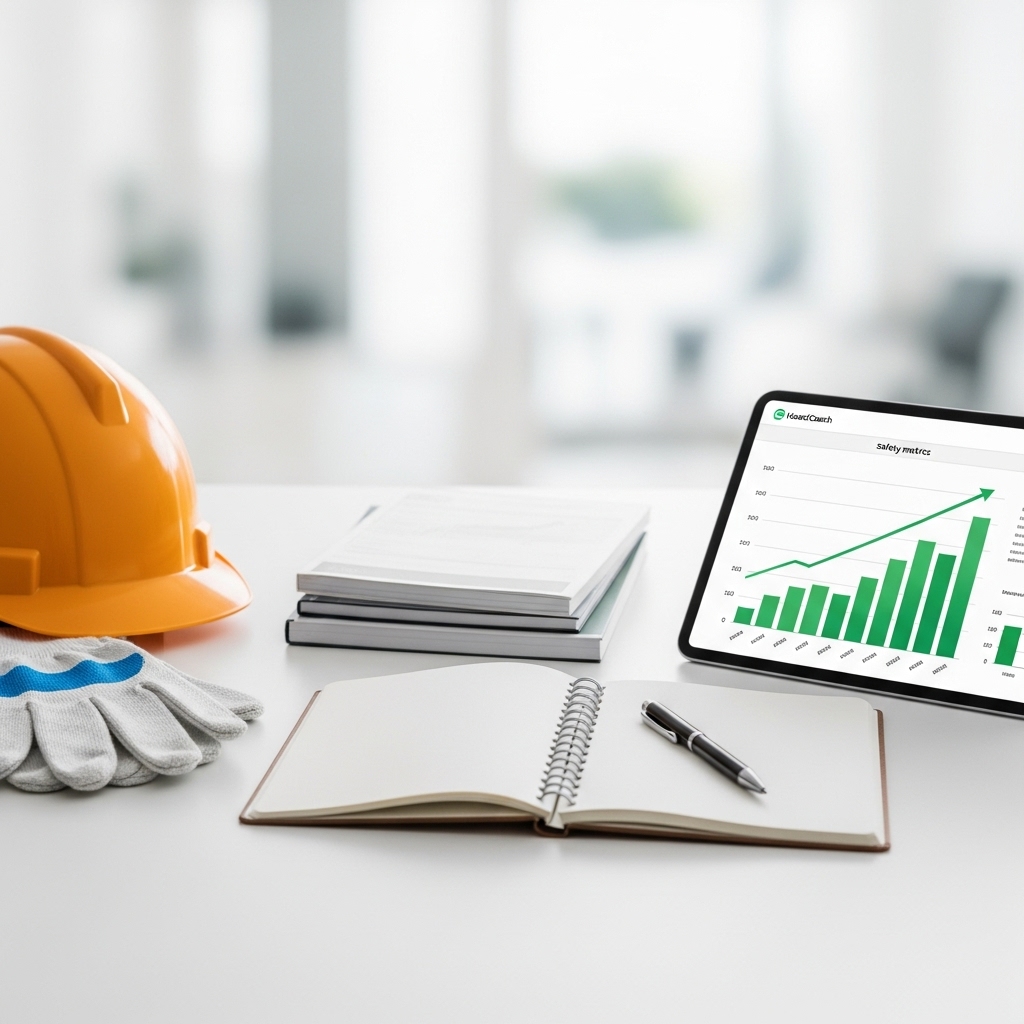
What Every South Carolina Business Should Know
OSHA Overview for SC Businesses
The Occupational Safety and Health Administration sets mandatory workplace safety standards to protect employees and reduce incidents. Understanding your industry-specific requirements is the foundation of compliance.
Key Compliance Requirements
Most businesses must maintain a safe workplace, provide hazard communication, conduct incident investigations, and keep detailed safety records. Requirements vary by industry size and classification.
Common Violations to Avoid
The most frequent violations include inadequate hazard communication, missing or incomplete safety programs, lack of training documentation, and failure to address identified hazards promptly.
Recordkeeping Basics
Maintain records of all work-related injuries and illnesses, safety inspections, training sessions, and hazard assessments. Proper documentation demonstrates your commitment and protects your business during inspections.
When to Seek Professional Help
Consider professional guidance if you're uncertain about your compliance status, facing an OSHA inspection, dealing with multiple incidents, or implementing a new safety program. A compliance assessment can identify gaps and prevent costly violations.
Have specific compliance questions? Our team is ready to help clarify your obligations.
Need Clarity on Your Compliance Status?
Don't leave compliance to guesswork. A professional assessment can identify your specific obligations and any gaps in your current safety program.
Ready for Personalized Assessment?
While these resources provide valuable guidance, every workplace is unique. A personalized hazard assessment and coaching plan tailored to your specific operations delivers the insights and confidence you need to protect your team and reduce risk.
Let's discuss your safety challenges and develop a strategy that works for your business.
Call for Free Consultation
Speak directly with a safety advisor about your specific needs. Quick response guaranteed.
Call NowBased in North Augusta, SC
Email Your Concerns
Describe your safety challenges in detail. We'll respond with a personalized approach.
Send EmailTypically respond within 24 hours
Prefer to connect professionally first?
Connect on LinkedInWhat Happens Next
Initial Contact
We'll discuss your specific safety concerns and understand your operation.
Free Assessment Consultation
We'll outline what a comprehensive hazard assessment would involve for your workplace.
Customized Plan
We'll develop a personalized approach tailored to your business, industry, and specific hazards.
Ongoing Partnership
Beyond the assessment, we provide coaching and support to help you maintain and improve safety continuously.
No obligation. No pressure. Just expert guidance to help you protect your team and your business.